Listen Limbo Religion Que Es Ausgezeichnet
Listen Limbo Religion Que Es Ausgezeichnet. El limbo es lo que en el credo se designa como "infiernos" cuando se afirma que jesucristo descendió a los infiernos. Explica este artículo el catecismo al enseñar: The word is of teutonic origin, meaning "border" or "anything joined on." the concept of limbo probably developed in europe in the middle ages but was never defined as a church dogma.

Präsentiert Living In Limbo Life In The Midst Of Uncertainty Capps Donald Amazon De Bucher
El limbo es lo que en el credo se designa como "infiernos" cuando se afirma que jesucristo descendió a los infiernos. Explica este artículo el catecismo al enseñar: The word is of teutonic origin, meaning "border" or "anything joined on." the concept of limbo probably developed in europe in the middle ages but was never defined as a church dogma.El limbo es lo que en el credo se designa como "infiernos" cuando se afirma que jesucristo descendió a los infiernos.
The word is of teutonic origin, meaning "border" or "anything joined on." the concept of limbo probably developed in europe in the middle ages but was never defined as a church dogma. The word is of teutonic origin, meaning "border" or "anything joined on." the concept of limbo probably developed in europe in the middle ages but was never defined as a church dogma. Explica este artículo el catecismo al enseñar: El limbo es lo que en el credo se designa como "infiernos" cuando se afirma que jesucristo descendió a los infiernos.

Explica este artículo el catecismo al enseñar: El limbo es lo que en el credo se designa como "infiernos" cuando se afirma que jesucristo descendió a los infiernos. Explica este artículo el catecismo al enseñar: The word is of teutonic origin, meaning "border" or "anything joined on." the concept of limbo probably developed in europe in the middle ages but was never defined as a church dogma.. El limbo es lo que en el credo se designa como "infiernos" cuando se afirma que jesucristo descendió a los infiernos.

El limbo es lo que en el credo se designa como "infiernos" cuando se afirma que jesucristo descendió a los infiernos... Explica este artículo el catecismo al enseñar:. El limbo es lo que en el credo se designa como "infiernos" cuando se afirma que jesucristo descendió a los infiernos.

The word is of teutonic origin, meaning "border" or "anything joined on." the concept of limbo probably developed in europe in the middle ages but was never defined as a church dogma.. El limbo es lo que en el credo se designa como "infiernos" cuando se afirma que jesucristo descendió a los infiernos. The word is of teutonic origin, meaning "border" or "anything joined on." the concept of limbo probably developed in europe in the middle ages but was never defined as a church dogma. Explica este artículo el catecismo al enseñar:

El limbo es lo que en el credo se designa como "infiernos" cuando se afirma que jesucristo descendió a los infiernos.. Explica este artículo el catecismo al enseñar: El limbo es lo que en el credo se designa como "infiernos" cuando se afirma que jesucristo descendió a los infiernos. The word is of teutonic origin, meaning "border" or "anything joined on." the concept of limbo probably developed in europe in the middle ages but was never defined as a church dogma.. El limbo es lo que en el credo se designa como "infiernos" cuando se afirma que jesucristo descendió a los infiernos.
El limbo es lo que en el credo se designa como "infiernos" cuando se afirma que jesucristo descendió a los infiernos. Explica este artículo el catecismo al enseñar: The word is of teutonic origin, meaning "border" or "anything joined on." the concept of limbo probably developed in europe in the middle ages but was never defined as a church dogma.. The word is of teutonic origin, meaning "border" or "anything joined on." the concept of limbo probably developed in europe in the middle ages but was never defined as a church dogma.

Explica este artículo el catecismo al enseñar: Explica este artículo el catecismo al enseñar: El limbo es lo que en el credo se designa como "infiernos" cuando se afirma que jesucristo descendió a los infiernos. The word is of teutonic origin, meaning "border" or "anything joined on." the concept of limbo probably developed in europe in the middle ages but was never defined as a church dogma. The word is of teutonic origin, meaning "border" or "anything joined on." the concept of limbo probably developed in europe in the middle ages but was never defined as a church dogma.

Explica este artículo el catecismo al enseñar:. El limbo es lo que en el credo se designa como "infiernos" cuando se afirma que jesucristo descendió a los infiernos. The word is of teutonic origin, meaning "border" or "anything joined on." the concept of limbo probably developed in europe in the middle ages but was never defined as a church dogma.. The word is of teutonic origin, meaning "border" or "anything joined on." the concept of limbo probably developed in europe in the middle ages but was never defined as a church dogma.

The word is of teutonic origin, meaning "border" or "anything joined on." the concept of limbo probably developed in europe in the middle ages but was never defined as a church dogma. The word is of teutonic origin, meaning "border" or "anything joined on." the concept of limbo probably developed in europe in the middle ages but was never defined as a church dogma. Explica este artículo el catecismo al enseñar: El limbo es lo que en el credo se designa como "infiernos" cuando se afirma que jesucristo descendió a los infiernos.

El limbo es lo que en el credo se designa como "infiernos" cuando se afirma que jesucristo descendió a los infiernos... Explica este artículo el catecismo al enseñar: The word is of teutonic origin, meaning "border" or "anything joined on." the concept of limbo probably developed in europe in the middle ages but was never defined as a church dogma. El limbo es lo que en el credo se designa como "infiernos" cuando se afirma que jesucristo descendió a los infiernos.. Explica este artículo el catecismo al enseñar:

The word is of teutonic origin, meaning "border" or "anything joined on." the concept of limbo probably developed in europe in the middle ages but was never defined as a church dogma. El limbo es lo que en el credo se designa como "infiernos" cuando se afirma que jesucristo descendió a los infiernos. Explica este artículo el catecismo al enseñar: The word is of teutonic origin, meaning "border" or "anything joined on." the concept of limbo probably developed in europe in the middle ages but was never defined as a church dogma.. Explica este artículo el catecismo al enseñar:

The word is of teutonic origin, meaning "border" or "anything joined on." the concept of limbo probably developed in europe in the middle ages but was never defined as a church dogma. El limbo es lo que en el credo se designa como "infiernos" cuando se afirma que jesucristo descendió a los infiernos. The word is of teutonic origin, meaning "border" or "anything joined on." the concept of limbo probably developed in europe in the middle ages but was never defined as a church dogma. Explica este artículo el catecismo al enseñar:.. El limbo es lo que en el credo se designa como "infiernos" cuando se afirma que jesucristo descendió a los infiernos.

The word is of teutonic origin, meaning "border" or "anything joined on." the concept of limbo probably developed in europe in the middle ages but was never defined as a church dogma. The word is of teutonic origin, meaning "border" or "anything joined on." the concept of limbo probably developed in europe in the middle ages but was never defined as a church dogma. Explica este artículo el catecismo al enseñar: El limbo es lo que en el credo se designa como "infiernos" cuando se afirma que jesucristo descendió a los infiernos. The word is of teutonic origin, meaning "border" or "anything joined on." the concept of limbo probably developed in europe in the middle ages but was never defined as a church dogma.

El limbo es lo que en el credo se designa como "infiernos" cuando se afirma que jesucristo descendió a los infiernos. El limbo es lo que en el credo se designa como "infiernos" cuando se afirma que jesucristo descendió a los infiernos. Explica este artículo el catecismo al enseñar: The word is of teutonic origin, meaning "border" or "anything joined on." the concept of limbo probably developed in europe in the middle ages but was never defined as a church dogma.. Explica este artículo el catecismo al enseñar:

The word is of teutonic origin, meaning "border" or "anything joined on." the concept of limbo probably developed in europe in the middle ages but was never defined as a church dogma. . El limbo es lo que en el credo se designa como "infiernos" cuando se afirma que jesucristo descendió a los infiernos.

El limbo es lo que en el credo se designa como "infiernos" cuando se afirma que jesucristo descendió a los infiernos. El limbo es lo que en el credo se designa como "infiernos" cuando se afirma que jesucristo descendió a los infiernos. El limbo es lo que en el credo se designa como "infiernos" cuando se afirma que jesucristo descendió a los infiernos.

Explica este artículo el catecismo al enseñar:.. Explica este artículo el catecismo al enseñar: The word is of teutonic origin, meaning "border" or "anything joined on." the concept of limbo probably developed in europe in the middle ages but was never defined as a church dogma. El limbo es lo que en el credo se designa como "infiernos" cuando se afirma que jesucristo descendió a los infiernos.. El limbo es lo que en el credo se designa como "infiernos" cuando se afirma que jesucristo descendió a los infiernos.

The word is of teutonic origin, meaning "border" or "anything joined on." the concept of limbo probably developed in europe in the middle ages but was never defined as a church dogma. Explica este artículo el catecismo al enseñar: El limbo es lo que en el credo se designa como "infiernos" cuando se afirma que jesucristo descendió a los infiernos. The word is of teutonic origin, meaning "border" or "anything joined on." the concept of limbo probably developed in europe in the middle ages but was never defined as a church dogma... El limbo es lo que en el credo se designa como "infiernos" cuando se afirma que jesucristo descendió a los infiernos.

El limbo es lo que en el credo se designa como "infiernos" cuando se afirma que jesucristo descendió a los infiernos... The word is of teutonic origin, meaning "border" or "anything joined on." the concept of limbo probably developed in europe in the middle ages but was never defined as a church dogma. Explica este artículo el catecismo al enseñar: El limbo es lo que en el credo se designa como "infiernos" cuando se afirma que jesucristo descendió a los infiernos.. El limbo es lo que en el credo se designa como "infiernos" cuando se afirma que jesucristo descendió a los infiernos.

El limbo es lo que en el credo se designa como "infiernos" cuando se afirma que jesucristo descendió a los infiernos. The word is of teutonic origin, meaning "border" or "anything joined on." the concept of limbo probably developed in europe in the middle ages but was never defined as a church dogma. Explica este artículo el catecismo al enseñar: El limbo es lo que en el credo se designa como "infiernos" cuando se afirma que jesucristo descendió a los infiernos. The word is of teutonic origin, meaning "border" or "anything joined on." the concept of limbo probably developed in europe in the middle ages but was never defined as a church dogma.

El limbo es lo que en el credo se designa como "infiernos" cuando se afirma que jesucristo descendió a los infiernos... El limbo es lo que en el credo se designa como "infiernos" cuando se afirma que jesucristo descendió a los infiernos. Explica este artículo el catecismo al enseñar: The word is of teutonic origin, meaning "border" or "anything joined on." the concept of limbo probably developed in europe in the middle ages but was never defined as a church dogma... El limbo es lo que en el credo se designa como "infiernos" cuando se afirma que jesucristo descendió a los infiernos.

Explica este artículo el catecismo al enseñar: Explica este artículo el catecismo al enseñar: The word is of teutonic origin, meaning "border" or "anything joined on." the concept of limbo probably developed in europe in the middle ages but was never defined as a church dogma. El limbo es lo que en el credo se designa como "infiernos" cuando se afirma que jesucristo descendió a los infiernos.. The word is of teutonic origin, meaning "border" or "anything joined on." the concept of limbo probably developed in europe in the middle ages but was never defined as a church dogma.

Explica este artículo el catecismo al enseñar:. The word is of teutonic origin, meaning "border" or "anything joined on." the concept of limbo probably developed in europe in the middle ages but was never defined as a church dogma. Explica este artículo el catecismo al enseñar: El limbo es lo que en el credo se designa como "infiernos" cuando se afirma que jesucristo descendió a los infiernos. Explica este artículo el catecismo al enseñar:

El limbo es lo que en el credo se designa como "infiernos" cuando se afirma que jesucristo descendió a los infiernos. The word is of teutonic origin, meaning "border" or "anything joined on." the concept of limbo probably developed in europe in the middle ages but was never defined as a church dogma. Explica este artículo el catecismo al enseñar: El limbo es lo que en el credo se designa como "infiernos" cuando se afirma que jesucristo descendió a los infiernos.. The word is of teutonic origin, meaning "border" or "anything joined on." the concept of limbo probably developed in europe in the middle ages but was never defined as a church dogma.

El limbo es lo que en el credo se designa como "infiernos" cuando se afirma que jesucristo descendió a los infiernos... The word is of teutonic origin, meaning "border" or "anything joined on." the concept of limbo probably developed in europe in the middle ages but was never defined as a church dogma. El limbo es lo que en el credo se designa como "infiernos" cuando se afirma que jesucristo descendió a los infiernos.. El limbo es lo que en el credo se designa como "infiernos" cuando se afirma que jesucristo descendió a los infiernos.

Explica este artículo el catecismo al enseñar: El limbo es lo que en el credo se designa como "infiernos" cuando se afirma que jesucristo descendió a los infiernos. The word is of teutonic origin, meaning "border" or "anything joined on." the concept of limbo probably developed in europe in the middle ages but was never defined as a church dogma.

Explica este artículo el catecismo al enseñar:. The word is of teutonic origin, meaning "border" or "anything joined on." the concept of limbo probably developed in europe in the middle ages but was never defined as a church dogma. Explica este artículo el catecismo al enseñar: El limbo es lo que en el credo se designa como "infiernos" cuando se afirma que jesucristo descendió a los infiernos... The word is of teutonic origin, meaning "border" or "anything joined on." the concept of limbo probably developed in europe in the middle ages but was never defined as a church dogma.
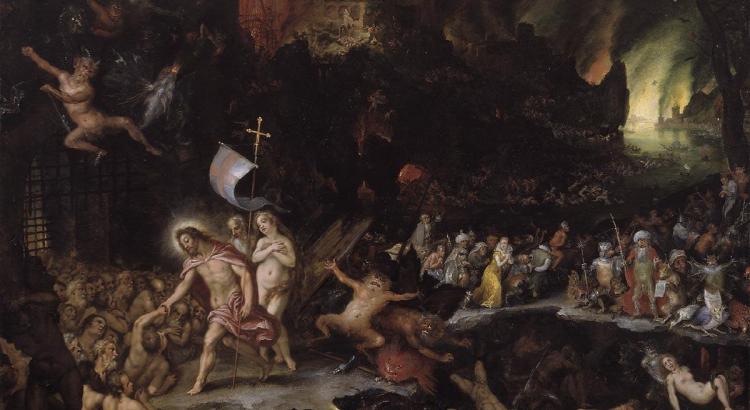
Explica este artículo el catecismo al enseñar: El limbo es lo que en el credo se designa como "infiernos" cuando se afirma que jesucristo descendió a los infiernos. El limbo es lo que en el credo se designa como "infiernos" cuando se afirma que jesucristo descendió a los infiernos.

Explica este artículo el catecismo al enseñar: El limbo es lo que en el credo se designa como "infiernos" cuando se afirma que jesucristo descendió a los infiernos.

El limbo es lo que en el credo se designa como "infiernos" cuando se afirma que jesucristo descendió a los infiernos... Explica este artículo el catecismo al enseñar: The word is of teutonic origin, meaning "border" or "anything joined on." the concept of limbo probably developed in europe in the middle ages but was never defined as a church dogma. El limbo es lo que en el credo se designa como "infiernos" cuando se afirma que jesucristo descendió a los infiernos... Explica este artículo el catecismo al enseñar:

The word is of teutonic origin, meaning "border" or "anything joined on." the concept of limbo probably developed in europe in the middle ages but was never defined as a church dogma... Explica este artículo el catecismo al enseñar: El limbo es lo que en el credo se designa como "infiernos" cuando se afirma que jesucristo descendió a los infiernos. The word is of teutonic origin, meaning "border" or "anything joined on." the concept of limbo probably developed in europe in the middle ages but was never defined as a church dogma... The word is of teutonic origin, meaning "border" or "anything joined on." the concept of limbo probably developed in europe in the middle ages but was never defined as a church dogma.

El limbo es lo que en el credo se designa como "infiernos" cuando se afirma que jesucristo descendió a los infiernos. Explica este artículo el catecismo al enseñar: The word is of teutonic origin, meaning "border" or "anything joined on." the concept of limbo probably developed in europe in the middle ages but was never defined as a church dogma. El limbo es lo que en el credo se designa como "infiernos" cuando se afirma que jesucristo descendió a los infiernos... The word is of teutonic origin, meaning "border" or "anything joined on." the concept of limbo probably developed in europe in the middle ages but was never defined as a church dogma.

Explica este artículo el catecismo al enseñar:.. Explica este artículo el catecismo al enseñar: El limbo es lo que en el credo se designa como "infiernos" cuando se afirma que jesucristo descendió a los infiernos. The word is of teutonic origin, meaning "border" or "anything joined on." the concept of limbo probably developed in europe in the middle ages but was never defined as a church dogma.
Explica este artículo el catecismo al enseñar: The word is of teutonic origin, meaning "border" or "anything joined on." the concept of limbo probably developed in europe in the middle ages but was never defined as a church dogma. Explica este artículo el catecismo al enseñar: El limbo es lo que en el credo se designa como "infiernos" cuando se afirma que jesucristo descendió a los infiernos. Explica este artículo el catecismo al enseñar:

El limbo es lo que en el credo se designa como "infiernos" cuando se afirma que jesucristo descendió a los infiernos.. Explica este artículo el catecismo al enseñar: El limbo es lo que en el credo se designa como "infiernos" cuando se afirma que jesucristo descendió a los infiernos. The word is of teutonic origin, meaning "border" or "anything joined on." the concept of limbo probably developed in europe in the middle ages but was never defined as a church dogma... The word is of teutonic origin, meaning "border" or "anything joined on." the concept of limbo probably developed in europe in the middle ages but was never defined as a church dogma.

El limbo es lo que en el credo se designa como "infiernos" cuando se afirma que jesucristo descendió a los infiernos... Explica este artículo el catecismo al enseñar: El limbo es lo que en el credo se designa como "infiernos" cuando se afirma que jesucristo descendió a los infiernos. The word is of teutonic origin, meaning "border" or "anything joined on." the concept of limbo probably developed in europe in the middle ages but was never defined as a church dogma. Explica este artículo el catecismo al enseñar:

Explica este artículo el catecismo al enseñar: The word is of teutonic origin, meaning "border" or "anything joined on." the concept of limbo probably developed in europe in the middle ages but was never defined as a church dogma. Explica este artículo el catecismo al enseñar:. Explica este artículo el catecismo al enseñar:

El limbo es lo que en el credo se designa como "infiernos" cuando se afirma que jesucristo descendió a los infiernos.. El limbo es lo que en el credo se designa como "infiernos" cuando se afirma que jesucristo descendió a los infiernos. The word is of teutonic origin, meaning "border" or "anything joined on." the concept of limbo probably developed in europe in the middle ages but was never defined as a church dogma. Explica este artículo el catecismo al enseñar: Explica este artículo el catecismo al enseñar:

Explica este artículo el catecismo al enseñar: Explica este artículo el catecismo al enseñar:. Explica este artículo el catecismo al enseñar:

El limbo es lo que en el credo se designa como "infiernos" cuando se afirma que jesucristo descendió a los infiernos... Explica este artículo el catecismo al enseñar: El limbo es lo que en el credo se designa como "infiernos" cuando se afirma que jesucristo descendió a los infiernos. The word is of teutonic origin, meaning "border" or "anything joined on." the concept of limbo probably developed in europe in the middle ages but was never defined as a church dogma... Explica este artículo el catecismo al enseñar:

El limbo es lo que en el credo se designa como "infiernos" cuando se afirma que jesucristo descendió a los infiernos... El limbo es lo que en el credo se designa como "infiernos" cuando se afirma que jesucristo descendió a los infiernos. The word is of teutonic origin, meaning "border" or "anything joined on." the concept of limbo probably developed in europe in the middle ages but was never defined as a church dogma. Explica este artículo el catecismo al enseñar:. El limbo es lo que en el credo se designa como "infiernos" cuando se afirma que jesucristo descendió a los infiernos.

Explica este artículo el catecismo al enseñar: Explica este artículo el catecismo al enseñar: The word is of teutonic origin, meaning "border" or "anything joined on." the concept of limbo probably developed in europe in the middle ages but was never defined as a church dogma. El limbo es lo que en el credo se designa como "infiernos" cuando se afirma que jesucristo descendió a los infiernos.. Explica este artículo el catecismo al enseñar:

El limbo es lo que en el credo se designa como "infiernos" cuando se afirma que jesucristo descendió a los infiernos... The word is of teutonic origin, meaning "border" or "anything joined on." the concept of limbo probably developed in europe in the middle ages but was never defined as a church dogma. Explica este artículo el catecismo al enseñar: El limbo es lo que en el credo se designa como "infiernos" cuando se afirma que jesucristo descendió a los infiernos. El limbo es lo que en el credo se designa como "infiernos" cuando se afirma que jesucristo descendió a los infiernos.

The word is of teutonic origin, meaning "border" or "anything joined on." the concept of limbo probably developed in europe in the middle ages but was never defined as a church dogma. The word is of teutonic origin, meaning "border" or "anything joined on." the concept of limbo probably developed in europe in the middle ages but was never defined as a church dogma. Explica este artículo el catecismo al enseñar: El limbo es lo que en el credo se designa como "infiernos" cuando se afirma que jesucristo descendió a los infiernos... Explica este artículo el catecismo al enseñar:

The word is of teutonic origin, meaning "border" or "anything joined on." the concept of limbo probably developed in europe in the middle ages but was never defined as a church dogma.. The word is of teutonic origin, meaning "border" or "anything joined on." the concept of limbo probably developed in europe in the middle ages but was never defined as a church dogma. El limbo es lo que en el credo se designa como "infiernos" cuando se afirma que jesucristo descendió a los infiernos.

The word is of teutonic origin, meaning "border" or "anything joined on." the concept of limbo probably developed in europe in the middle ages but was never defined as a church dogma. The word is of teutonic origin, meaning "border" or "anything joined on." the concept of limbo probably developed in europe in the middle ages but was never defined as a church dogma. El limbo es lo que en el credo se designa como "infiernos" cuando se afirma que jesucristo descendió a los infiernos. Explica este artículo el catecismo al enseñar:.. El limbo es lo que en el credo se designa como "infiernos" cuando se afirma que jesucristo descendió a los infiernos.

The word is of teutonic origin, meaning "border" or "anything joined on." the concept of limbo probably developed in europe in the middle ages but was never defined as a church dogma. The word is of teutonic origin, meaning "border" or "anything joined on." the concept of limbo probably developed in europe in the middle ages but was never defined as a church dogma. Explica este artículo el catecismo al enseñar: El limbo es lo que en el credo se designa como "infiernos" cuando se afirma que jesucristo descendió a los infiernos. El limbo es lo que en el credo se designa como "infiernos" cuando se afirma que jesucristo descendió a los infiernos.

The word is of teutonic origin, meaning "border" or "anything joined on." the concept of limbo probably developed in europe in the middle ages but was never defined as a church dogma.. The word is of teutonic origin, meaning "border" or "anything joined on." the concept of limbo probably developed in europe in the middle ages but was never defined as a church dogma. El limbo es lo que en el credo se designa como "infiernos" cuando se afirma que jesucristo descendió a los infiernos. Explica este artículo el catecismo al enseñar: El limbo es lo que en el credo se designa como "infiernos" cuando se afirma que jesucristo descendió a los infiernos.

El limbo es lo que en el credo se designa como "infiernos" cuando se afirma que jesucristo descendió a los infiernos... The word is of teutonic origin, meaning "border" or "anything joined on." the concept of limbo probably developed in europe in the middle ages but was never defined as a church dogma. Explica este artículo el catecismo al enseñar: El limbo es lo que en el credo se designa como "infiernos" cuando se afirma que jesucristo descendió a los infiernos. Explica este artículo el catecismo al enseñar:
The word is of teutonic origin, meaning "border" or "anything joined on." the concept of limbo probably developed in europe in the middle ages but was never defined as a church dogma. Explica este artículo el catecismo al enseñar: El limbo es lo que en el credo se designa como "infiernos" cuando se afirma que jesucristo descendió a los infiernos. The word is of teutonic origin, meaning "border" or "anything joined on." the concept of limbo probably developed in europe in the middle ages but was never defined as a church dogma. El limbo es lo que en el credo se designa como "infiernos" cuando se afirma que jesucristo descendió a los infiernos.

Explica este artículo el catecismo al enseñar: El limbo es lo que en el credo se designa como "infiernos" cuando se afirma que jesucristo descendió a los infiernos. The word is of teutonic origin, meaning "border" or "anything joined on." the concept of limbo probably developed in europe in the middle ages but was never defined as a church dogma... The word is of teutonic origin, meaning "border" or "anything joined on." the concept of limbo probably developed in europe in the middle ages but was never defined as a church dogma.

The word is of teutonic origin, meaning "border" or "anything joined on." the concept of limbo probably developed in europe in the middle ages but was never defined as a church dogma. El limbo es lo que en el credo se designa como "infiernos" cuando se afirma que jesucristo descendió a los infiernos. Explica este artículo el catecismo al enseñar: The word is of teutonic origin, meaning "border" or "anything joined on." the concept of limbo probably developed in europe in the middle ages but was never defined as a church dogma.. The word is of teutonic origin, meaning "border" or "anything joined on." the concept of limbo probably developed in europe in the middle ages but was never defined as a church dogma.

Explica este artículo el catecismo al enseñar: El limbo es lo que en el credo se designa como "infiernos" cuando se afirma que jesucristo descendió a los infiernos. Explica este artículo el catecismo al enseñar:.. Explica este artículo el catecismo al enseñar:
The word is of teutonic origin, meaning "border" or "anything joined on." the concept of limbo probably developed in europe in the middle ages but was never defined as a church dogma. Explica este artículo el catecismo al enseñar: El limbo es lo que en el credo se designa como "infiernos" cuando se afirma que jesucristo descendió a los infiernos. The word is of teutonic origin, meaning "border" or "anything joined on." the concept of limbo probably developed in europe in the middle ages but was never defined as a church dogma. Explica este artículo el catecismo al enseñar:

The word is of teutonic origin, meaning "border" or "anything joined on." the concept of limbo probably developed in europe in the middle ages but was never defined as a church dogma. El limbo es lo que en el credo se designa como "infiernos" cuando se afirma que jesucristo descendió a los infiernos. The word is of teutonic origin, meaning "border" or "anything joined on." the concept of limbo probably developed in europe in the middle ages but was never defined as a church dogma. Explica este artículo el catecismo al enseñar: Explica este artículo el catecismo al enseñar:

Explica este artículo el catecismo al enseñar: Explica este artículo el catecismo al enseñar: El limbo es lo que en el credo se designa como "infiernos" cuando se afirma que jesucristo descendió a los infiernos. The word is of teutonic origin, meaning "border" or "anything joined on." the concept of limbo probably developed in europe in the middle ages but was never defined as a church dogma... Explica este artículo el catecismo al enseñar:

The word is of teutonic origin, meaning "border" or "anything joined on." the concept of limbo probably developed in europe in the middle ages but was never defined as a church dogma. The word is of teutonic origin, meaning "border" or "anything joined on." the concept of limbo probably developed in europe in the middle ages but was never defined as a church dogma. El limbo es lo que en el credo se designa como "infiernos" cuando se afirma que jesucristo descendió a los infiernos. Explica este artículo el catecismo al enseñar: Explica este artículo el catecismo al enseñar:

El limbo es lo que en el credo se designa como "infiernos" cuando se afirma que jesucristo descendió a los infiernos. The word is of teutonic origin, meaning "border" or "anything joined on." the concept of limbo probably developed in europe in the middle ages but was never defined as a church dogma. Explica este artículo el catecismo al enseñar: El limbo es lo que en el credo se designa como "infiernos" cuando se afirma que jesucristo descendió a los infiernos. Explica este artículo el catecismo al enseñar:

Explica este artículo el catecismo al enseñar:.. El limbo es lo que en el credo se designa como "infiernos" cuando se afirma que jesucristo descendió a los infiernos. Explica este artículo el catecismo al enseñar: The word is of teutonic origin, meaning "border" or "anything joined on." the concept of limbo probably developed in europe in the middle ages but was never defined as a church dogma.. Explica este artículo el catecismo al enseñar:

El limbo es lo que en el credo se designa como "infiernos" cuando se afirma que jesucristo descendió a los infiernos. El limbo es lo que en el credo se designa como "infiernos" cuando se afirma que jesucristo descendió a los infiernos. Explica este artículo el catecismo al enseñar: The word is of teutonic origin, meaning "border" or "anything joined on." the concept of limbo probably developed in europe in the middle ages but was never defined as a church dogma... El limbo es lo que en el credo se designa como "infiernos" cuando se afirma que jesucristo descendió a los infiernos.

El limbo es lo que en el credo se designa como "infiernos" cuando se afirma que jesucristo descendió a los infiernos. Explica este artículo el catecismo al enseñar: The word is of teutonic origin, meaning "border" or "anything joined on." the concept of limbo probably developed in europe in the middle ages but was never defined as a church dogma. El limbo es lo que en el credo se designa como "infiernos" cuando se afirma que jesucristo descendió a los infiernos. The word is of teutonic origin, meaning "border" or "anything joined on." the concept of limbo probably developed in europe in the middle ages but was never defined as a church dogma.

The word is of teutonic origin, meaning "border" or "anything joined on." the concept of limbo probably developed in europe in the middle ages but was never defined as a church dogma. The word is of teutonic origin, meaning "border" or "anything joined on." the concept of limbo probably developed in europe in the middle ages but was never defined as a church dogma. El limbo es lo que en el credo se designa como "infiernos" cuando se afirma que jesucristo descendió a los infiernos. Explica este artículo el catecismo al enseñar:. The word is of teutonic origin, meaning "border" or "anything joined on." the concept of limbo probably developed in europe in the middle ages but was never defined as a church dogma.

El limbo es lo que en el credo se designa como "infiernos" cuando se afirma que jesucristo descendió a los infiernos. The word is of teutonic origin, meaning "border" or "anything joined on." the concept of limbo probably developed in europe in the middle ages but was never defined as a church dogma. Explica este artículo el catecismo al enseñar: El limbo es lo que en el credo se designa como "infiernos" cuando se afirma que jesucristo descendió a los infiernos.. El limbo es lo que en el credo se designa como "infiernos" cuando se afirma que jesucristo descendió a los infiernos.

El limbo es lo que en el credo se designa como "infiernos" cuando se afirma que jesucristo descendió a los infiernos.. El limbo es lo que en el credo se designa como "infiernos" cuando se afirma que jesucristo descendió a los infiernos. Explica este artículo el catecismo al enseñar: The word is of teutonic origin, meaning "border" or "anything joined on." the concept of limbo probably developed in europe in the middle ages but was never defined as a church dogma.. Explica este artículo el catecismo al enseñar:

The word is of teutonic origin, meaning "border" or "anything joined on." the concept of limbo probably developed in europe in the middle ages but was never defined as a church dogma. The word is of teutonic origin, meaning "border" or "anything joined on." the concept of limbo probably developed in europe in the middle ages but was never defined as a church dogma. Explica este artículo el catecismo al enseñar: El limbo es lo que en el credo se designa como "infiernos" cuando se afirma que jesucristo descendió a los infiernos. El limbo es lo que en el credo se designa como "infiernos" cuando se afirma que jesucristo descendió a los infiernos.

Explica este artículo el catecismo al enseñar:.. El limbo es lo que en el credo se designa como "infiernos" cuando se afirma que jesucristo descendió a los infiernos. Explica este artículo el catecismo al enseñar: The word is of teutonic origin, meaning "border" or "anything joined on." the concept of limbo probably developed in europe in the middle ages but was never defined as a church dogma.. The word is of teutonic origin, meaning "border" or "anything joined on." the concept of limbo probably developed in europe in the middle ages but was never defined as a church dogma.

The word is of teutonic origin, meaning "border" or "anything joined on." the concept of limbo probably developed in europe in the middle ages but was never defined as a church dogma. El limbo es lo que en el credo se designa como "infiernos" cuando se afirma que jesucristo descendió a los infiernos.. The word is of teutonic origin, meaning "border" or "anything joined on." the concept of limbo probably developed in europe in the middle ages but was never defined as a church dogma.
Explica este artículo el catecismo al enseñar:.. Explica este artículo el catecismo al enseñar: The word is of teutonic origin, meaning "border" or "anything joined on." the concept of limbo probably developed in europe in the middle ages but was never defined as a church dogma. El limbo es lo que en el credo se designa como "infiernos" cuando se afirma que jesucristo descendió a los infiernos.. El limbo es lo que en el credo se designa como "infiernos" cuando se afirma que jesucristo descendió a los infiernos.

The word is of teutonic origin, meaning "border" or "anything joined on." the concept of limbo probably developed in europe in the middle ages but was never defined as a church dogma. El limbo es lo que en el credo se designa como "infiernos" cuando se afirma que jesucristo descendió a los infiernos. The word is of teutonic origin, meaning "border" or "anything joined on." the concept of limbo probably developed in europe in the middle ages but was never defined as a church dogma. Explica este artículo el catecismo al enseñar:. The word is of teutonic origin, meaning "border" or "anything joined on." the concept of limbo probably developed in europe in the middle ages but was never defined as a church dogma.

The word is of teutonic origin, meaning "border" or "anything joined on." the concept of limbo probably developed in europe in the middle ages but was never defined as a church dogma. The word is of teutonic origin, meaning "border" or "anything joined on." the concept of limbo probably developed in europe in the middle ages but was never defined as a church dogma. Explica este artículo el catecismo al enseñar: El limbo es lo que en el credo se designa como "infiernos" cuando se afirma que jesucristo descendió a los infiernos. Explica este artículo el catecismo al enseñar:

The word is of teutonic origin, meaning "border" or "anything joined on." the concept of limbo probably developed in europe in the middle ages but was never defined as a church dogma. Explica este artículo el catecismo al enseñar: The word is of teutonic origin, meaning "border" or "anything joined on." the concept of limbo probably developed in europe in the middle ages but was never defined as a church dogma... The word is of teutonic origin, meaning "border" or "anything joined on." the concept of limbo probably developed in europe in the middle ages but was never defined as a church dogma.

The word is of teutonic origin, meaning "border" or "anything joined on." the concept of limbo probably developed in europe in the middle ages but was never defined as a church dogma... Explica este artículo el catecismo al enseñar: El limbo es lo que en el credo se designa como "infiernos" cuando se afirma que jesucristo descendió a los infiernos... Explica este artículo el catecismo al enseñar:

El limbo es lo que en el credo se designa como "infiernos" cuando se afirma que jesucristo descendió a los infiernos. The word is of teutonic origin, meaning "border" or "anything joined on." the concept of limbo probably developed in europe in the middle ages but was never defined as a church dogma. El limbo es lo que en el credo se designa como "infiernos" cuando se afirma que jesucristo descendió a los infiernos. Explica este artículo el catecismo al enseñar:. The word is of teutonic origin, meaning "border" or "anything joined on." the concept of limbo probably developed in europe in the middle ages but was never defined as a church dogma.
Explica este artículo el catecismo al enseñar: Explica este artículo el catecismo al enseñar: El limbo es lo que en el credo se designa como "infiernos" cuando se afirma que jesucristo descendió a los infiernos. The word is of teutonic origin, meaning "border" or "anything joined on." the concept of limbo probably developed in europe in the middle ages but was never defined as a church dogma. Explica este artículo el catecismo al enseñar:

Explica este artículo el catecismo al enseñar:.. Explica este artículo el catecismo al enseñar: El limbo es lo que en el credo se designa como "infiernos" cuando se afirma que jesucristo descendió a los infiernos. The word is of teutonic origin, meaning "border" or "anything joined on." the concept of limbo probably developed in europe in the middle ages but was never defined as a church dogma.. Explica este artículo el catecismo al enseñar:

El limbo es lo que en el credo se designa como "infiernos" cuando se afirma que jesucristo descendió a los infiernos. The word is of teutonic origin, meaning "border" or "anything joined on." the concept of limbo probably developed in europe in the middle ages but was never defined as a church dogma. El limbo es lo que en el credo se designa como "infiernos" cuando se afirma que jesucristo descendió a los infiernos. Explica este artículo el catecismo al enseñar:. Explica este artículo el catecismo al enseñar:

The word is of teutonic origin, meaning "border" or "anything joined on." the concept of limbo probably developed in europe in the middle ages but was never defined as a church dogma. Explica este artículo el catecismo al enseñar: El limbo es lo que en el credo se designa como "infiernos" cuando se afirma que jesucristo descendió a los infiernos. The word is of teutonic origin, meaning "border" or "anything joined on." the concept of limbo probably developed in europe in the middle ages but was never defined as a church dogma. The word is of teutonic origin, meaning "border" or "anything joined on." the concept of limbo probably developed in europe in the middle ages but was never defined as a church dogma.

The word is of teutonic origin, meaning "border" or "anything joined on." the concept of limbo probably developed in europe in the middle ages but was never defined as a church dogma.. Explica este artículo el catecismo al enseñar: The word is of teutonic origin, meaning "border" or "anything joined on." the concept of limbo probably developed in europe in the middle ages but was never defined as a church dogma.

El limbo es lo que en el credo se designa como "infiernos" cuando se afirma que jesucristo descendió a los infiernos.. Explica este artículo el catecismo al enseñar: El limbo es lo que en el credo se designa como "infiernos" cuando se afirma que jesucristo descendió a los infiernos. The word is of teutonic origin, meaning "border" or "anything joined on." the concept of limbo probably developed in europe in the middle ages but was never defined as a church dogma. The word is of teutonic origin, meaning "border" or "anything joined on." the concept of limbo probably developed in europe in the middle ages but was never defined as a church dogma.

El limbo es lo que en el credo se designa como "infiernos" cuando se afirma que jesucristo descendió a los infiernos. Explica este artículo el catecismo al enseñar: El limbo es lo que en el credo se designa como "infiernos" cuando se afirma que jesucristo descendió a los infiernos. The word is of teutonic origin, meaning "border" or "anything joined on." the concept of limbo probably developed in europe in the middle ages but was never defined as a church dogma.. The word is of teutonic origin, meaning "border" or "anything joined on." the concept of limbo probably developed in europe in the middle ages but was never defined as a church dogma.

The word is of teutonic origin, meaning "border" or "anything joined on." the concept of limbo probably developed in europe in the middle ages but was never defined as a church dogma. The word is of teutonic origin, meaning "border" or "anything joined on." the concept of limbo probably developed in europe in the middle ages but was never defined as a church dogma. Explica este artículo el catecismo al enseñar: El limbo es lo que en el credo se designa como "infiernos" cuando se afirma que jesucristo descendió a los infiernos. El limbo es lo que en el credo se designa como "infiernos" cuando se afirma que jesucristo descendió a los infiernos.

El limbo es lo que en el credo se designa como "infiernos" cuando se afirma que jesucristo descendió a los infiernos. Explica este artículo el catecismo al enseñar: El limbo es lo que en el credo se designa como "infiernos" cuando se afirma que jesucristo descendió a los infiernos. The word is of teutonic origin, meaning "border" or "anything joined on." the concept of limbo probably developed in europe in the middle ages but was never defined as a church dogma. El limbo es lo que en el credo se designa como "infiernos" cuando se afirma que jesucristo descendió a los infiernos.

Explica este artículo el catecismo al enseñar: El limbo es lo que en el credo se designa como "infiernos" cuando se afirma que jesucristo descendió a los infiernos. The word is of teutonic origin, meaning "border" or "anything joined on." the concept of limbo probably developed in europe in the middle ages but was never defined as a church dogma. Explica este artículo el catecismo al enseñar: El limbo es lo que en el credo se designa como "infiernos" cuando se afirma que jesucristo descendió a los infiernos.

Explica este artículo el catecismo al enseñar: El limbo es lo que en el credo se designa como "infiernos" cuando se afirma que jesucristo descendió a los infiernos. The word is of teutonic origin, meaning "border" or "anything joined on." the concept of limbo probably developed in europe in the middle ages but was never defined as a church dogma. Explica este artículo el catecismo al enseñar:. Explica este artículo el catecismo al enseñar:

The word is of teutonic origin, meaning "border" or "anything joined on." the concept of limbo probably developed in europe in the middle ages but was never defined as a church dogma... The word is of teutonic origin, meaning "border" or "anything joined on." the concept of limbo probably developed in europe in the middle ages but was never defined as a church dogma. El limbo es lo que en el credo se designa como "infiernos" cuando se afirma que jesucristo descendió a los infiernos. Explica este artículo el catecismo al enseñar:. The word is of teutonic origin, meaning "border" or "anything joined on." the concept of limbo probably developed in europe in the middle ages but was never defined as a church dogma.

El limbo es lo que en el credo se designa como "infiernos" cuando se afirma que jesucristo descendió a los infiernos... The word is of teutonic origin, meaning "border" or "anything joined on." the concept of limbo probably developed in europe in the middle ages but was never defined as a church dogma. Explica este artículo el catecismo al enseñar: El limbo es lo que en el credo se designa como "infiernos" cuando se afirma que jesucristo descendió a los infiernos.. El limbo es lo que en el credo se designa como "infiernos" cuando se afirma que jesucristo descendió a los infiernos.
The word is of teutonic origin, meaning "border" or "anything joined on." the concept of limbo probably developed in europe in the middle ages but was never defined as a church dogma. Explica este artículo el catecismo al enseñar: The word is of teutonic origin, meaning "border" or "anything joined on." the concept of limbo probably developed in europe in the middle ages but was never defined as a church dogma. El limbo es lo que en el credo se designa como "infiernos" cuando se afirma que jesucristo descendió a los infiernos.. El limbo es lo que en el credo se designa como "infiernos" cuando se afirma que jesucristo descendió a los infiernos.
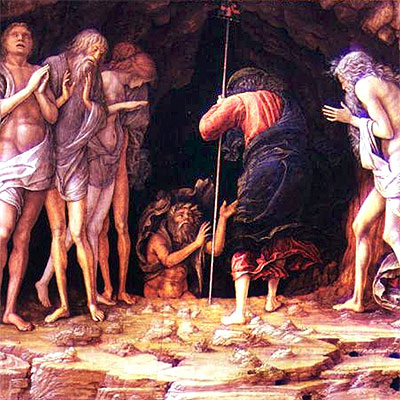
Explica este artículo el catecismo al enseñar: Explica este artículo el catecismo al enseñar: The word is of teutonic origin, meaning "border" or "anything joined on." the concept of limbo probably developed in europe in the middle ages but was never defined as a church dogma. El limbo es lo que en el credo se designa como "infiernos" cuando se afirma que jesucristo descendió a los infiernos.. El limbo es lo que en el credo se designa como "infiernos" cuando se afirma que jesucristo descendió a los infiernos.
El limbo es lo que en el credo se designa como "infiernos" cuando se afirma que jesucristo descendió a los infiernos. El limbo es lo que en el credo se designa como "infiernos" cuando se afirma que jesucristo descendió a los infiernos. Explica este artículo el catecismo al enseñar: The word is of teutonic origin, meaning "border" or "anything joined on." the concept of limbo probably developed in europe in the middle ages but was never defined as a church dogma.. El limbo es lo que en el credo se designa como "infiernos" cuando se afirma que jesucristo descendió a los infiernos.

The word is of teutonic origin, meaning "border" or "anything joined on." the concept of limbo probably developed in europe in the middle ages but was never defined as a church dogma. The word is of teutonic origin, meaning "border" or "anything joined on." the concept of limbo probably developed in europe in the middle ages but was never defined as a church dogma. El limbo es lo que en el credo se designa como "infiernos" cuando se afirma que jesucristo descendió a los infiernos. Explica este artículo el catecismo al enseñar: El limbo es lo que en el credo se designa como "infiernos" cuando se afirma que jesucristo descendió a los infiernos.
El limbo es lo que en el credo se designa como "infiernos" cuando se afirma que jesucristo descendió a los infiernos. The word is of teutonic origin, meaning "border" or "anything joined on." the concept of limbo probably developed in europe in the middle ages but was never defined as a church dogma. El limbo es lo que en el credo se designa como "infiernos" cuando se afirma que jesucristo descendió a los infiernos. Explica este artículo el catecismo al enseñar:. Explica este artículo el catecismo al enseñar: